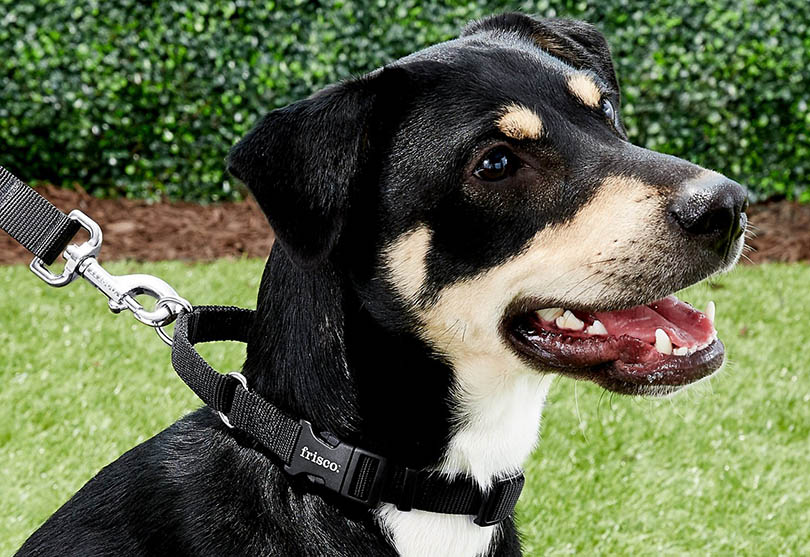

Many dog owners love having visitors, but not every dog knows how to handle guests calmly. Some dogs jump, bark nonstop, run in circles, or become overly excited the moment the doorbell rings. Others may act fearful, territorial, or defensive around unfamiliar people. These behaviors are common, but they can create stress for both the dog and the household. The good news is that dogs can be trained to behave politely around visitors with consistent practice and the right approach. Training is not about punishment—it is about teaching the dog what is expected and helping them feel safe and confident during social situations. When dogs learn self-control, greeting routines, and calm boundaries, visits become more enjoyable for everyone. This article explains practical tips to help dogs behave around visitors, including preparation strategies, obedience training, managing excitement, and supporting nervous dogs. With patience and repetition, dogs can learn to welcome guests in a calm, respectful, and friendly way.
Understanding Why Dogs Misbehave Around Visitors
Before training begins, it helps to understand why dogs react strongly to guests. Many dogs bark or jump because they feel excited and want attention.
Some dogs become overly protective. They see the home as their territory and may react defensively when strangers enter.
Other dogs are fearful. Visitors may feel unpredictable, especially if the dog was not socialized properly as a puppy.
Dogs also respond to human energy. If owners become tense when guests arrive, the dog may interpret that tension as a warning sign.
Lack of structure is another major factor. If the dog has never been taught what to do when the door opens, they will create their own behavior patterns.
In many pet care dog training for visitors guides, understanding the cause is described as the first step. A dog cannot behave calmly without feeling safe and guided.
Teaching Basic Commands That Support Visitor Training
Visitor behavior training works best when the dog already understands basic obedience. Commands like “sit,” “stay,” “down,” and “leave it” create structure.
The “sit” command is especially useful. It gives the dog something to do instead of jumping.
“Stay” teaches patience and self-control. Even a short stay near the door can reduce chaos.
“Place” or “go to your bed” is one of the most powerful commands for visitor situations. It teaches the dog to move to a designated spot and remain calm.
Training these commands should be done daily, not only when visitors arrive. Repetition in calm situations builds reliability.
In many smart pet behavior insights, basic obedience is described as the foundation for social behavior. A dog cannot stay calm during excitement without strong command training.
Creating a Calm Door Greeting Routine
Dogs often become reactive because the doorbell triggers excitement. A calm greeting routine teaches the dog that visitors are normal and safe.
One strategy is to practice doorbell sounds. Owners can play a doorbell recording, then reward calm behavior with treats.
Teaching the dog to sit or go to their “place” before the door opens reduces jumping and rushing.
It also helps to open the door slowly. If the dog breaks the command, the door should close again. This teaches the dog that calm behavior is the only way visitors enter.
Visitors should also avoid immediately petting or exciting the dog. Ignoring the dog for the first minute helps reduce overstimulation.
In many pet care dog training for visitors methods, routines are described as essential. Dogs feel calmer when they know what happens every time.
Managing Jumping, Barking, and Overexcitement
Jumping and barking are some of the most common problems during visitor arrivals. These behaviors often come from excitement rather than aggression.
The best way to stop jumping is to remove attention. When a dog jumps, owners and visitors should turn away and avoid eye contact.
Rewarding calm behavior is more effective than punishment. Treats and praise should be given when the dog sits calmly or keeps all four paws on the floor.
Barking can be managed through redirection. Giving the dog a toy or asking for a command like “sit” can shift focus.
Some dogs benefit from a leash during greetings. This prevents rushing and gives owners more control.
In many smart pet behavior insights, calm reinforcement is described as the most reliable method. Dogs repeat behaviors that bring rewards.
Helping Nervous or Protective Dogs Feel Safe
Not all dogs misbehave because they are excited. Some dogs become nervous, defensive, or territorial around visitors.
For these dogs, forcing interaction can increase fear. Instead, the dog should be given space and allowed to approach visitors at their own pace.
Safe zones are helpful. A crate, quiet room, or dog bed area allows the dog to retreat when overwhelmed.
Visitors should avoid direct staring, sudden movements, or leaning over the dog, which can feel threatening.
Treat-based positive association also helps. Owners can give treats when visitors arrive, helping the dog link guests with good experiences.
If the dog shows serious aggression, professional training support is strongly recommended.
In many pet care dog training for visitors resources, confidence-building is described as the key. Nervous dogs behave better when they feel safe, not pressured.
Practicing Consistently and Setting Realistic Expectations
Training a dog to behave around visitors takes time. Dogs learn through repetition, not one-time corrections.
Short training sessions are more effective than long ones. Practicing door routines with friends or family helps build real-world experience.
Owners should also remember that progress may not be linear. A dog may behave well one day and struggle the next, especially if the visitor energy changes.
Consistency across all household members is important. If one person allows jumping while another discourages it, the dog becomes confused.
Celebrating small improvements helps owners stay motivated. Calm greetings take practice, but they are achievable.
In many smart pet behavior insights, consistency is described as the real secret of dog training. Dogs thrive when rules stay the same every time.
Conclusion
Training a dog to behave around visitors is one of the most valuable skills for creating a calm and welcoming home. Dogs often react to guests because of excitement, fear, territorial instincts, or lack of structure, which is why understanding the cause is the first step. Teaching strong basic commands such as “sit,” “stay,” and “place” builds the foundation for polite greetings, while calm door routines help dogs learn what to do when the doorbell rings. Managing jumping and barking through positive reinforcement creates better results than punishment, and nervous or protective dogs benefit most from space, confidence-building, and gentle exposure. Most importantly, visitor training requires consistency and realistic expectations. Dogs improve through repetition, and even small progress matters. With patience, structured routines, and steady practice, dogs can learn to greet visitors politely, stay calm during arrivals, and create a safer, more enjoyable environment for both guests and the household.